
4 Weird Ways to Outmaneuver Your Competition (Using Psychology)
This product can put marriages back together (and it's no bigger than a post-it note.)
Nov 14, 2024
A Post-It-sized product that promises better sleep, healing, and freedom—Hostage Tape is redefining the market through psychology, partnerships, and simplicity.
4 Weird Ways to Outmaneuver Your Competition (Using Psychology)
This product can apparently put marriages back together.
(It’s also no bigger than a Post-it Note.)
I came across a brand this week that claims their product can:
Reverse the effects of aging
Unlock powerful healing properties in the body
Improve sleep so dramatically that relationships start improving too
Bold claims… for something the size of office stationery.
But when I dug into the brand, I noticed something far more interesting than the product itself.
They’re doing several things that almost no DTC brand in this category has mastered yet.
And that’s what makes this breakdown worth studying.
You're Feeling Very Sleepy...
Between blue light, stressful careers, and an unsteady economy, sleep has become a competitive sport.
Everyone wants better sleep.
Everyone is trying something.
Which is why mouth taping has exploded.
Creators like Joe Rogan and Andrew Huberman have talked about it extensively; and millions of people followed suit because, oddly enough…
It works.
Amid this surge, one brand has risen faster than the rest:
And no, it’s not because they invented mouth tape.
It’s because they used psychology better than their competitors.
Position: Hostage Tape isn't selling mouth tape.
At first glance, Hostage Tape sells mouth tape.
But look closer.
Their tagline—“Don’t let bad sleep hold you hostage”—reveals what they’re actually selling.
They’re not selling sleep aids.
They’re selling freedom.
Freedom from:
Exhaustion
Frustration
Embarrassing snoring
Waking up feeling broken
That positioning matters.
Everyone wants better sleep.
But everyone wants freedom from something.
By anchoring the product to emotional liberation, Hostage Tape aligns perfectly with what the customer’s brain is already seeking.
They don’t sell tape.
They sell "escape" in neat little 30-day packs 😅
Product: Hostage Tape isn't following the crowd.
Most products in this category lean hard into a medical aesthetic, white, clinical, and subtly shame-inducing.
Hostage Tape did the opposite.
Black material (not “hospital beige”)
Easily removable
Doesn’t stick to facial hair
Breathable (you can still breathe through it)
That last feature matters more than people realize.
The brain has a built-in alarm system around suffocation.
If a product triggers even a hint of danger, resistance skyrockets.
Breathability = perceived safety.
Perceived safety = easier decisions.
That single design choice likely explains their rapid early adoption.
Perception: Hostage Tape isn't waiting for people to discover them.
Most brands “build quietly” and hope customers eventually find them.
Hostage Tape didn’t.
They embedded themselves directly into existing conversations where trust was already established.
Joe Rogan.
Andrew Huberman.
Communities already talking about mouth taping.
By participating (and not interrupting)Hostage Tape positioned itself as a credible authority, not an outsider selling into the trend.
This matters even more now.
Younger Millennials and Gen Z don’t want to be marketed at.
They want to participate.
Brands that understand this will win the next decade.
(Note: it's the participation piece you should be studying the closest. Young Millennials and Gen Z are changing the entire marketing game. The game is about to change...)
Preference: Hostage Tape isn't giving customers a choice.
This is my favorite part, and one of the most misunderstood levers in marketing.
Hostage Tape does not offer:
Endless SKUs
Confusing bundles
“Buy one box of 12 again and again” options
Instead, they limit choice to a few clear paths:
30-day trial
Monthly subscription
Year-long bulk supply
This is choice architecture at work.
Here’s the counterintuitive truth:
The more you restrict choice, the less persuasion you need.
Fewer options reduce cognitive load.
Lower cognitive load speeds up decisions.
Longer-term options nudge longer-term behavior.
Result?
Higher LTV
Better retention
Less need for aggressive sales tactics
It’s a win–win.
How to do this for your brand:
If you want to outmaneuver competitors using psychology, here’s where to start:
Position yourself against what competitors aren’t.
Audit how everyone else presents themselves: safe, popular, eco-friendly, made-in-USA. Once you know what they are, you can own what they’re not.Make your product look like it belongs to one group.
Strong identity repels some people, and attracts everyone else. Taking the opposite visual path is one of the fastest ways to escape commoditization (Obvi did this brilliantly).Actively bend perception through participation.
Get involved in conversations your customers are already having. Yes, it takes time. Yes, it costs money. But participation is becoming mandatory, especially as cookies disappear.Reduce choice to direct behavior.
Less choice leads to faster decisions and longer commitments. If you want long-term customers, design long-term decisions into the experience.
The Real Takeaway
Hostage Tape didn’t win because mouth taping is new.
They won because they:
Sold freedom, not features
Calmed fear instead of amplifying it
Built trust through participation
Guided behavior through restricted choice
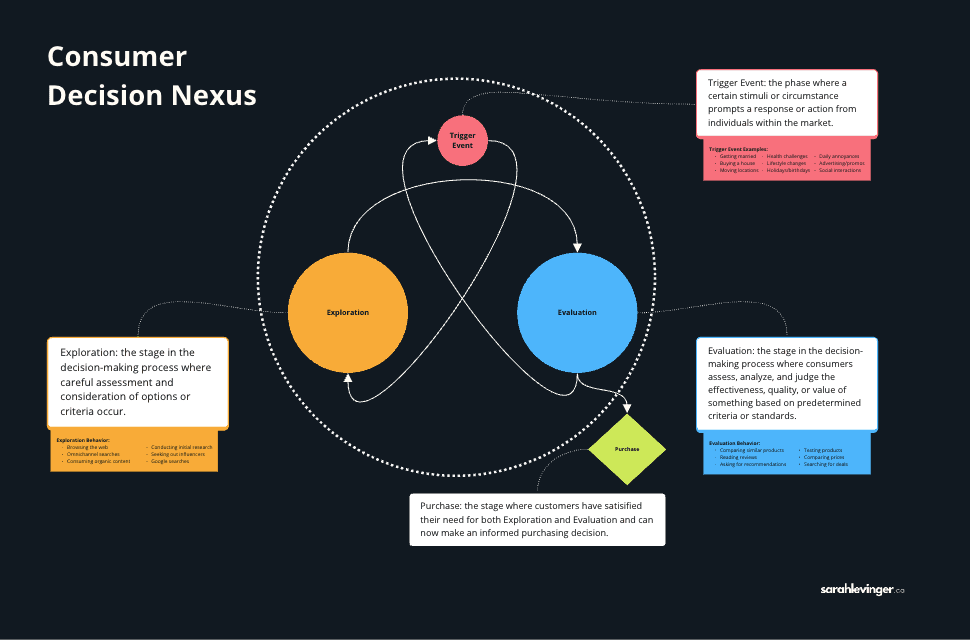
This is exactly the kind of identity and behavior pattern CIM is designed to map. CIM identifies emotional drivers, perceived threats, and identity framing so brands can position themselves in ways that feel obvious, safe, and compelling—without relying on persuasion.
Subscribe to our newsletter and stay 3 steps ahead of the competition
Learn the psychology of marketing + get weekly consumer trends (that are making real money) delivered right to your inbox every Thursday.
"I tested one trend Sarah posted...it spent $30K so far at a 2X ROAS." - A.E.

The proven system behind high performing ad teams. Join today.